


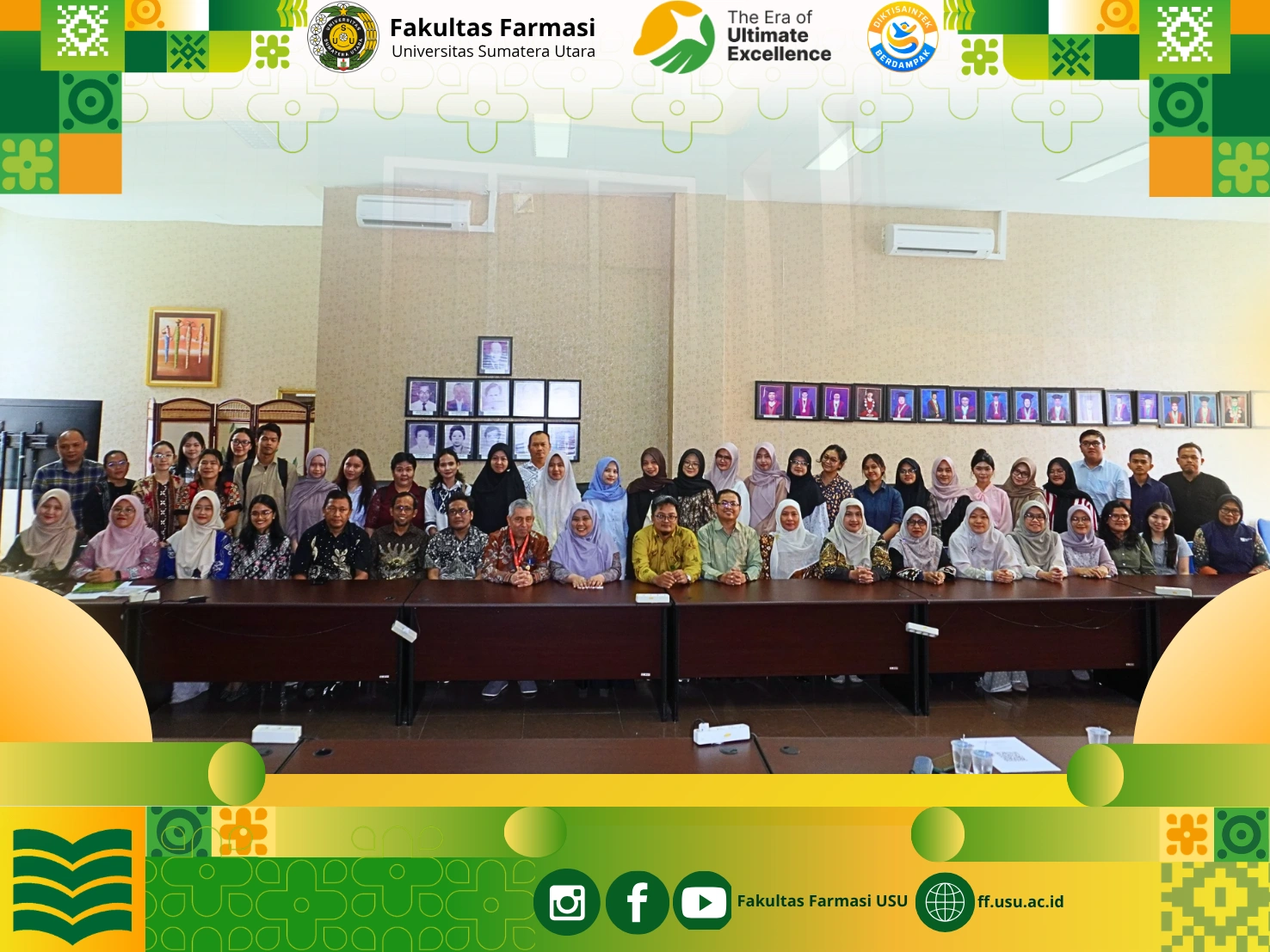
Medan, August 7, 2026 — The Faculty of Pharmacy, Universitas Sumatera Utara (USU) strengthened students’ academic knowledge and research perspectives through a guest lecture discussing advances in pharmaceutical technology, particularly green nanotheranostics and the potential of palm oil as a raw material for pharmaceutical and healthcare products.
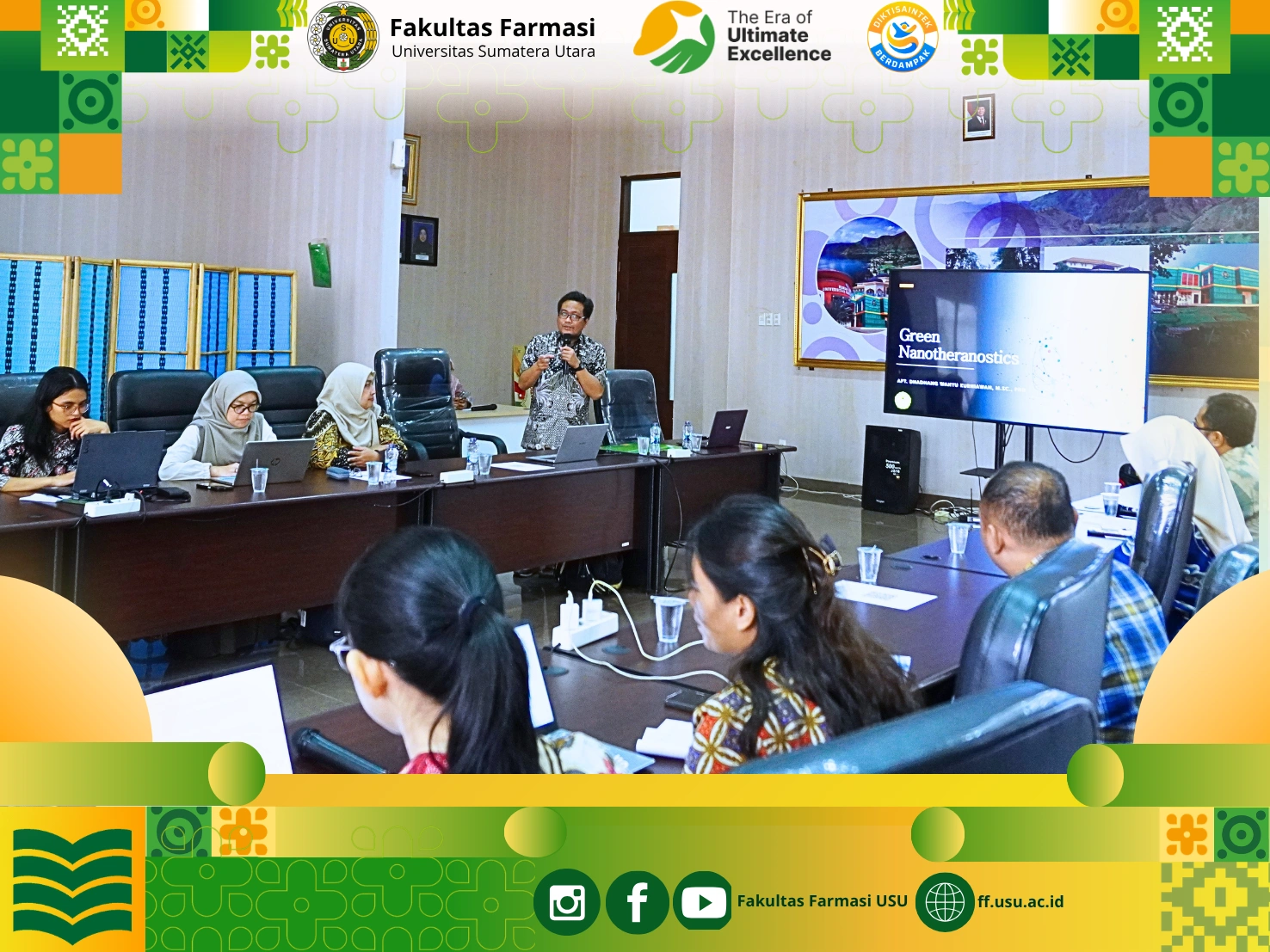
In a session entitled “Green Nanotheranostics,” Apt. Dhadhang Wahyu Kurniawan, M.Sc., Ph.D. discussed developments in nanomedicine and the use of nanoparticles in drug delivery systems. The session highlighted nanotechnology as a tool for developing drug delivery systems that can improve therapeutic effectiveness while reducing toxicity.
The discussion then explored nanotheranostics, an approach that integrates diagnostic and therapeutic functions. One of the topics discussed was the use of superparamagnetic iron oxide nanoparticles (SPIONs), including their potential applications in targeted therapy and the treatment of liver diseases. apt. Dhadhang Wahyu Kurniawan, M.Sc., Ph.D., explained that nanomedicine has the potential to support the early diagnosis and treatment of fatty liver, creating opportunities for earlier intervention.
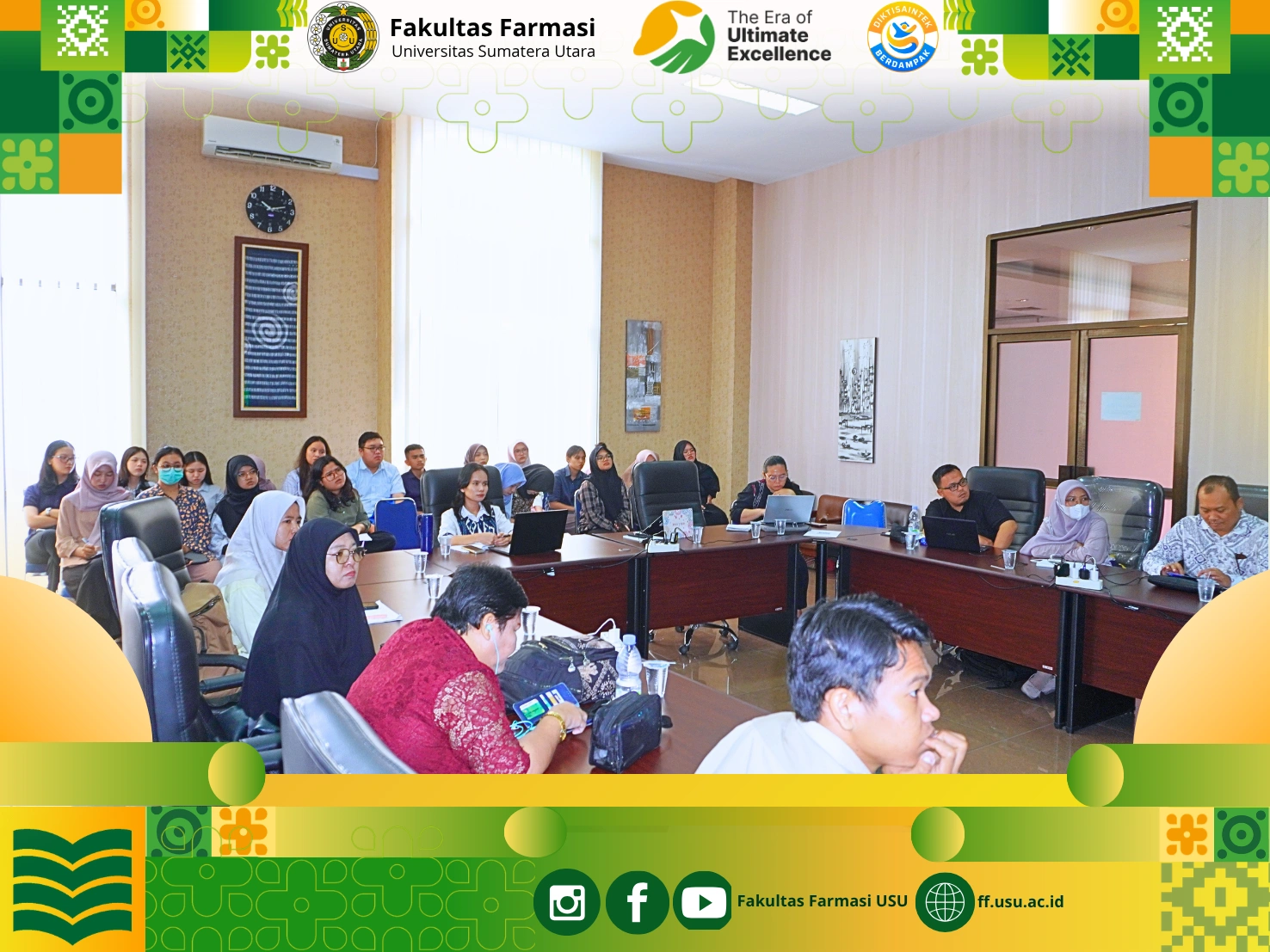
The guest lecture also introduced the concept of green nanoparticles as a more sustainable research approach. Green synthesis using plant extracts offers a potentially more environmentally friendly and biocompatible pathway compared with conventional synthesis methods, which may face challenges related to toxicity and cost.
The speaker also presented an example of silver nanoparticle synthesis using Neurada procumbens extract. This green synthesis approach utilizes plant biomolecules as reducing and capping agents, with potential advantages including reduced use of toxic chemicals, energy efficiency, and improved nanoparticle biocompatibility.
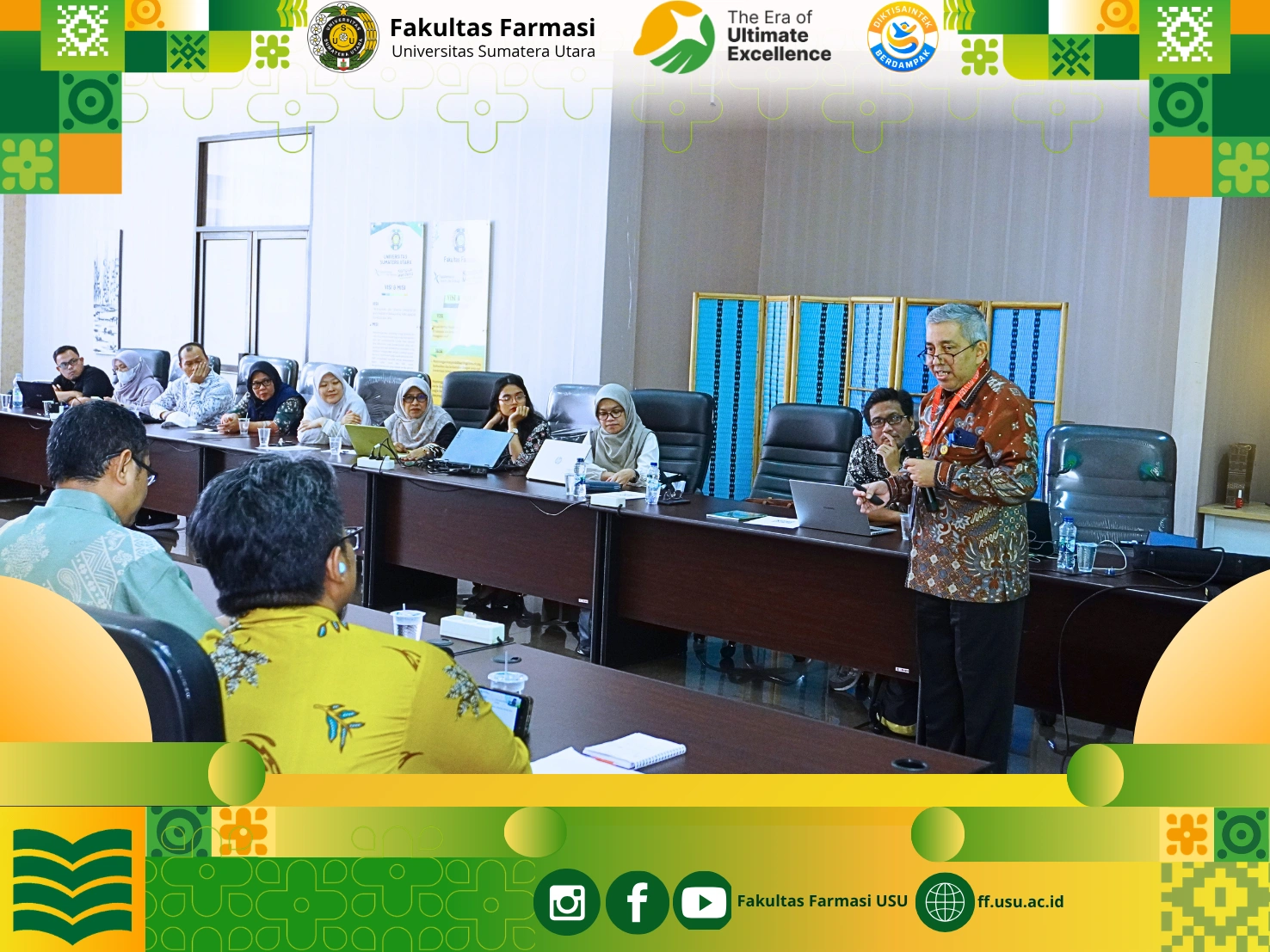
In addition to nanomedicine technology, the guest lecture featured a session entitled “Prospects of RPMO Palm Oil Derivatives for Pharmaceutical and Cosmetic Applications,” delivered by Prof. Dr. Apt. Mahdi Jufri, M.Si. The session explained that palm oil has potential applications beyond food and biodiesel, including the development of products for health and pharmaceutical purposes.
Prof. Mahdi explained that palm oil is rich in vitamin E, particularly tocotrienols and tocopherols, as well as beta-carotene and other bioactive compounds. These components provide a basis for developing palm oil derivatives for pharmaceutical products, health supplements, nutritional products, and other healthcare applications.
In his presentation, Prof. Dr. Apt. Mahdi Jufri, M.Si. also discussed opportunities to develop Red Palm Oil (RPO) into a range of value-added products. These include food products and health supplements, as well as innovations such as multivitamin emulsion syrups, cosmetic products, and microencapsulation and nanoencapsulation applications to create more innovative products.
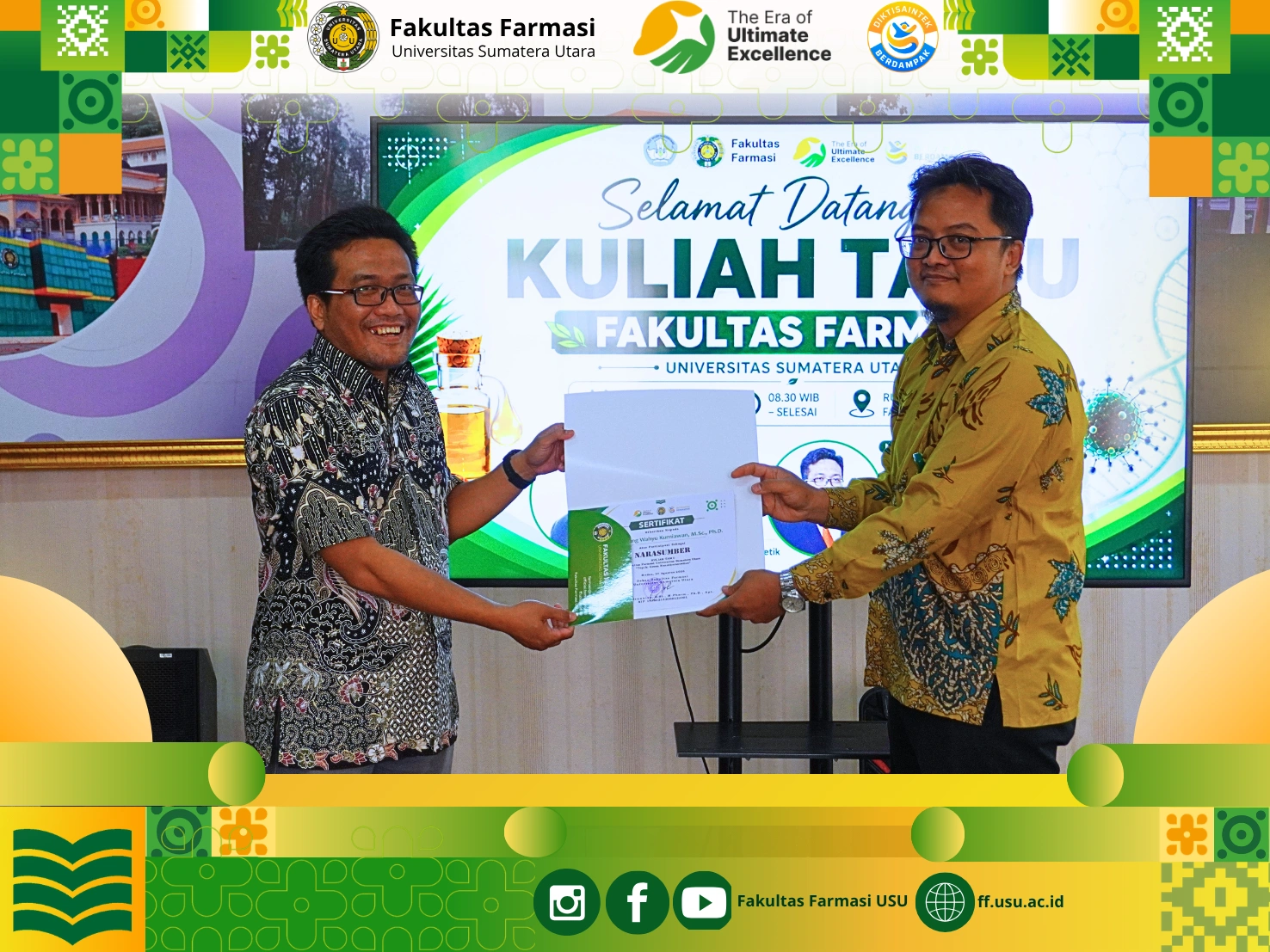
The guest lecture provided Pharmacy USU students with perspectives on the importance of connecting pharmaceutical science, technology, natural resources, and sustainable innovation. The development of natural resources such as plants and palm oil into value-added raw materials also has the potential to support greater self-reliance in pharmaceutical raw materials. Indonesia’s continued dependence on imported pharmaceutical raw materials highlights the strategic importance of research and development involving locally available resources.
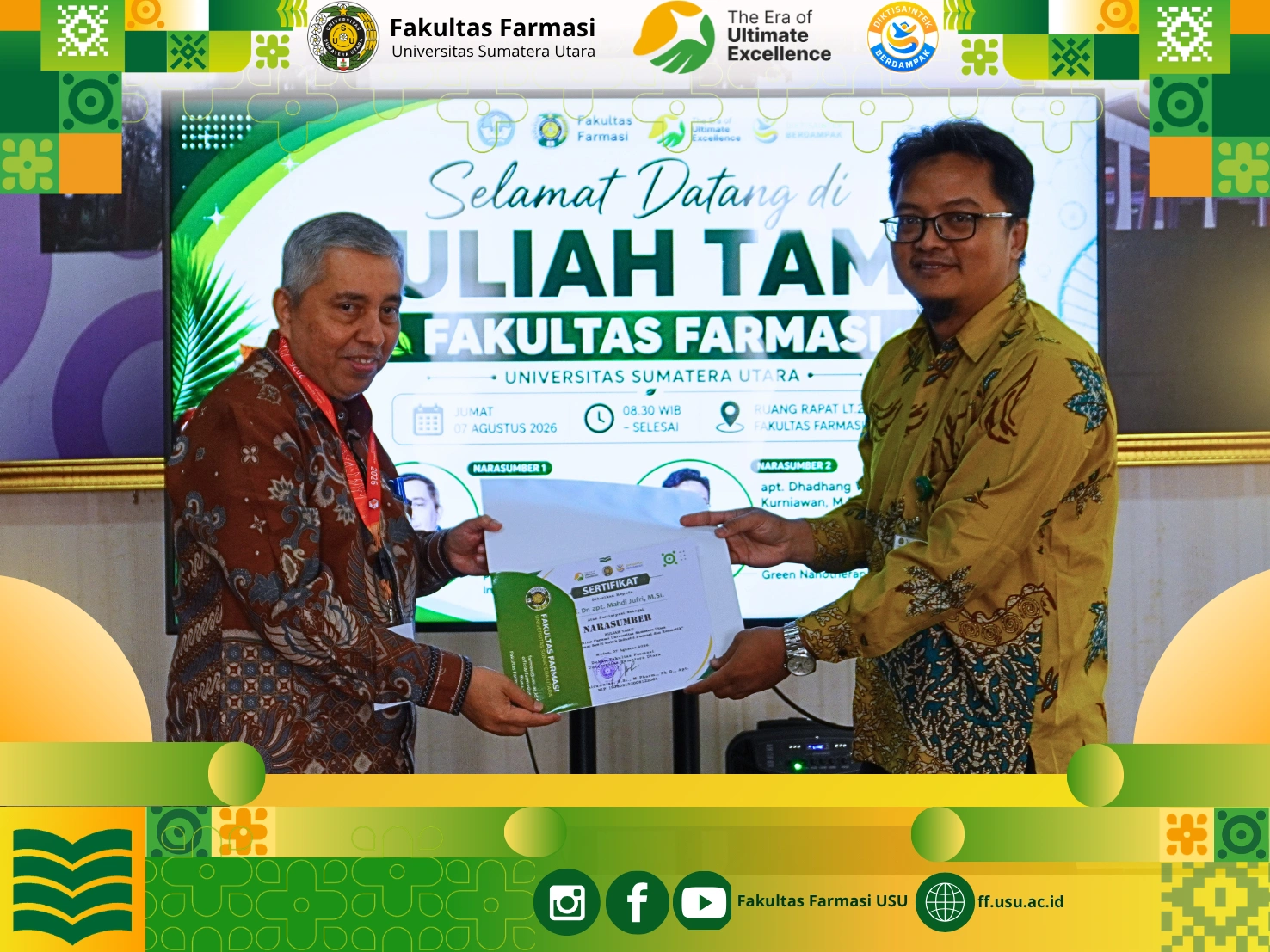
The activity was aligned with several Sustainable Development Goals (SDGs), particularly:
- SDG 3 – Good Health and Well-being: The development of nanotheranostics, targeted drug delivery systems, and natural-resource-based healthcare products supports efforts to improve the quality and effectiveness of healthcare.
- SDG 4 – Quality Education: The guest lecture provided students with opportunities to expand their knowledge through direct exposure to current developments and research in pharmaceutical science and technology.
- SDG 9 – Industry, Innovation and Infrastructure: Discussions on nanomedicine, green synthesis, microencapsulation, and nanoencapsulation encouraged research-based innovation with potential applications in the pharmaceutical industry.
- SDG 12 – Responsible Consumption and Production: The concept of green synthesis, which utilizes plant biomolecules while reducing the use of toxic chemicals and energy consumption, supports more sustainable production practices.
- SDG 8 – Decent Work and Economic Growth: The development of palm oil derivatives into value-added pharmaceutical, cosmetic, and healthcare products creates opportunities for research commercialization and the strengthening of industries based on local resources.
Through this activity, the Faculty of Pharmacy USU reaffirmed its commitment to building a learning ecosystem that integrates education, research, innovation, natural resources, and sustainability. The knowledge gained through the guest lecture is expected to equip students to develop pharmaceutical research and innovations that offer not only scientific value but also meaningful contributions to public health and sustainable development.