


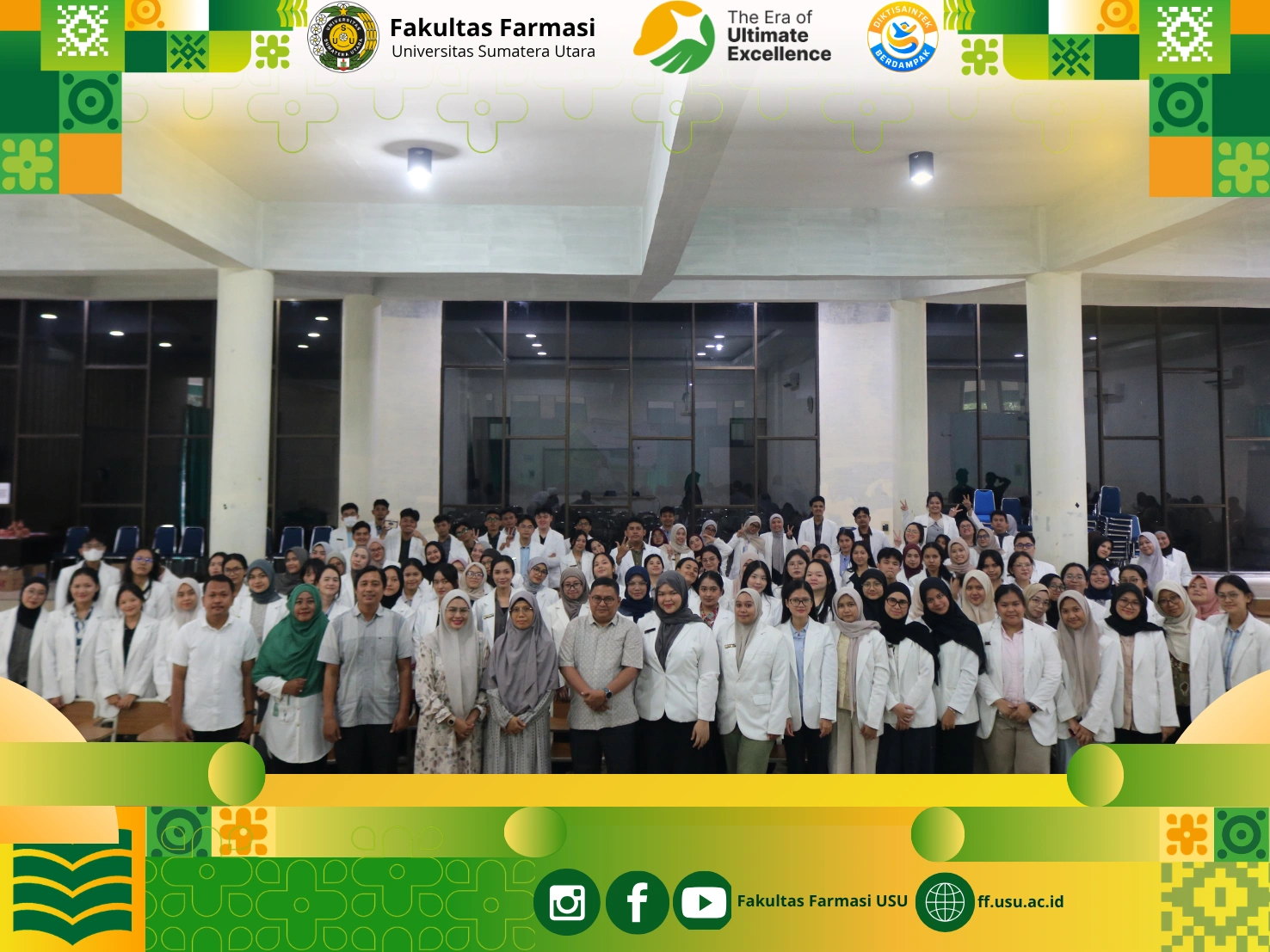
Medan, August 24, 2026 — The Pharmacist Professional Education Study Program, Faculty of Pharmacy, Universitas Sumatera Utara (USU), organized a workshop to strengthen pharmaceutical competencies under the theme of High Alert Product Management and Handling Cytotoxic Drugs: How Pharmacists Should Respond to Cytostatic Drugs and Aseptic Handling in Hospitals. The activity was part of an effort to enhance prospective pharmacists’ knowledge and skills in ensuring the quality of pharmaceutical services and patient safety.
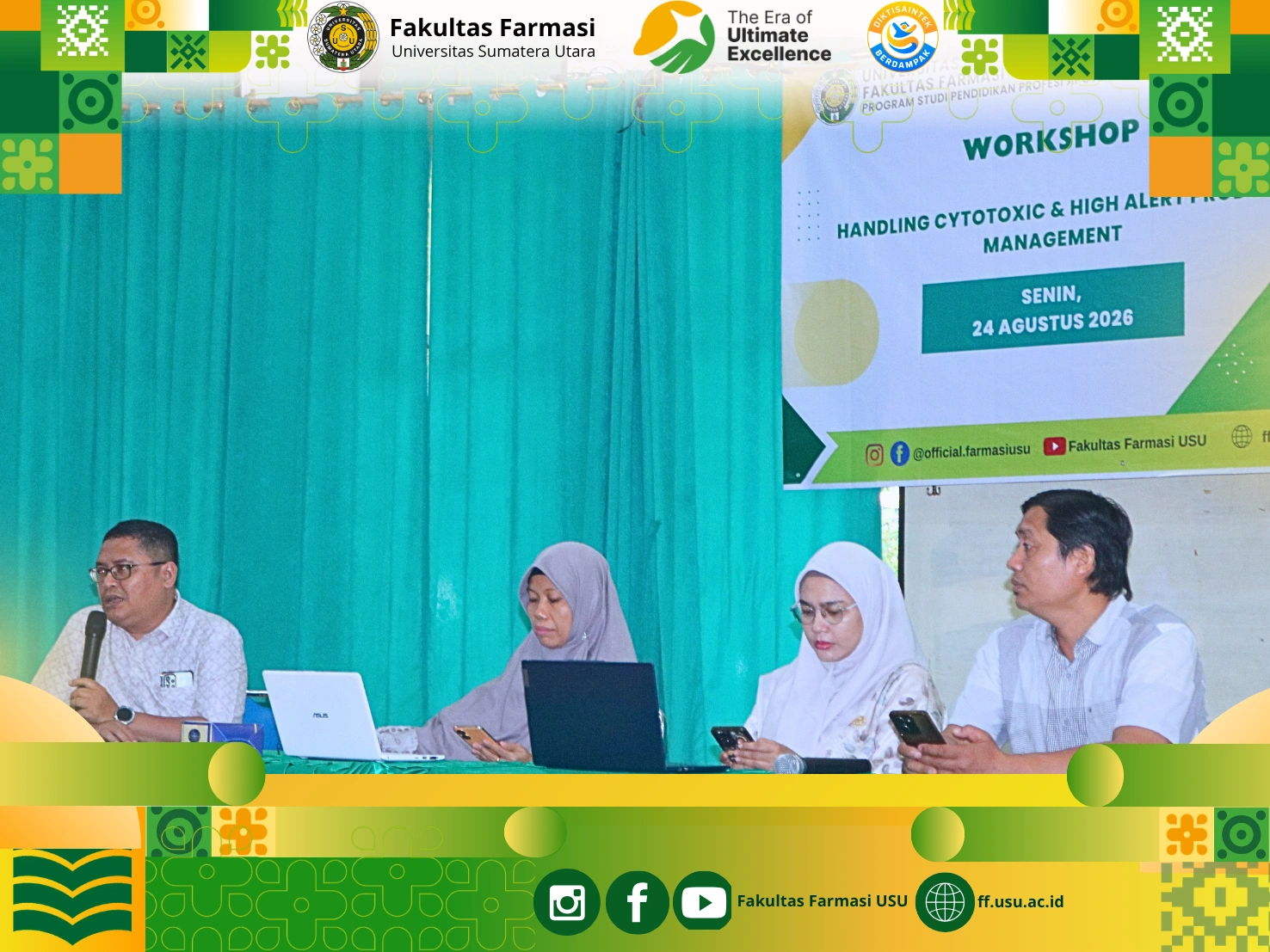
The High Alert Product Management session was delivered by Agustina, S.Si., Apt., focusing on the management of high-risk medications (high-alert medications) and efforts to prevent medication errors. The workshop covered the concepts and definitions of high-alert medications, identification of LASA/NORUM medications and concentrated electrolytes, medication storage and labeling, prescribing and preparation processes, administration, double-checking, monitoring, and evaluation.
The session explained that high-alert product management is a system focused on identifying, managing, and monitoring high-risk medications to prevent and minimize medication-use errors that may have serious consequences for patients. Proper management includes separate storage, clear labeling, implementation of double-checking procedures, as well as monitoring and reporting incidents related to patient safety.
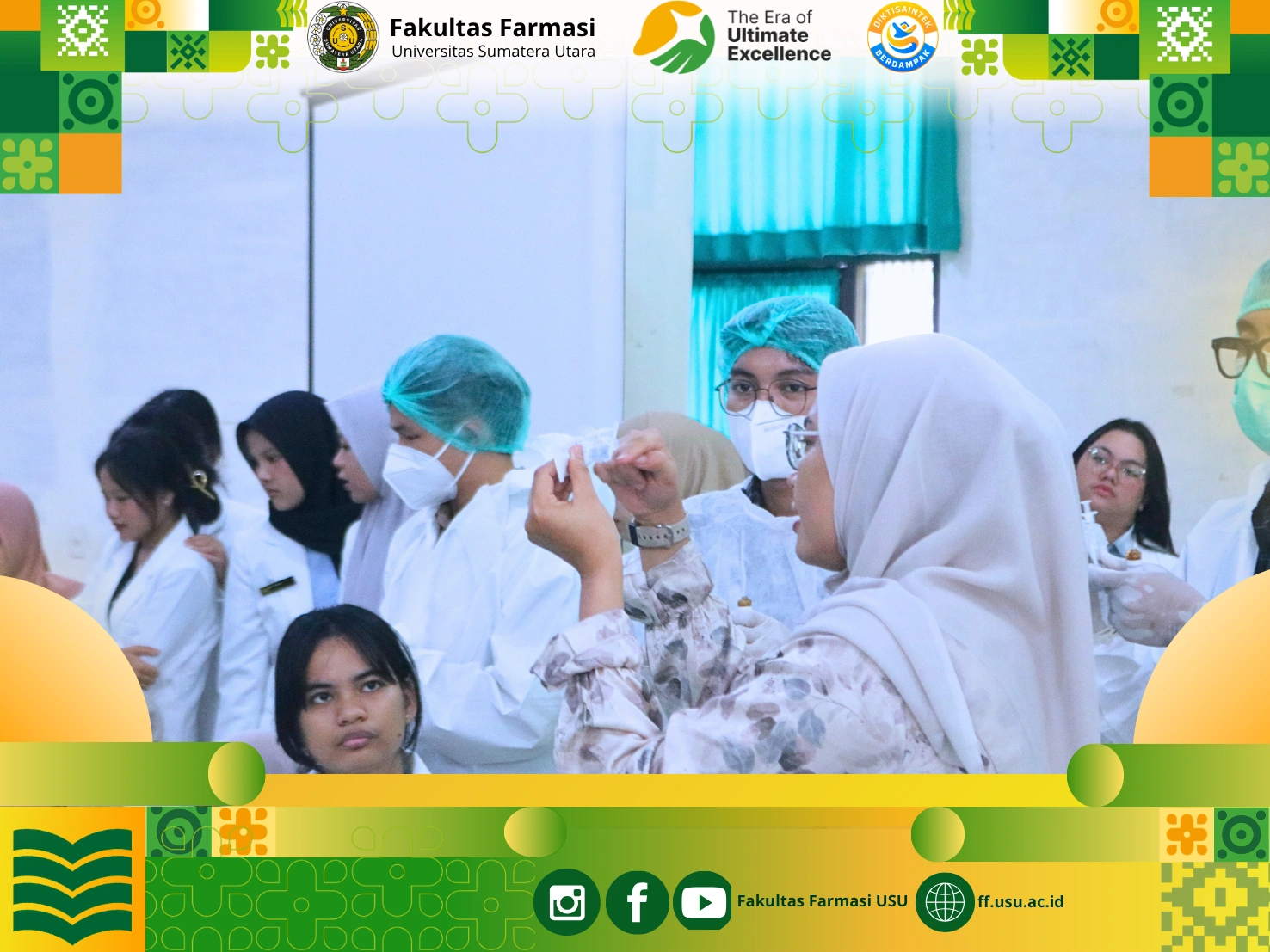
Meanwhile, the Handling Cytotoxic session was delivered by Yuliana, S.Farm., Apt. The session provided training on the safe handling of cytotoxic drugs, including aseptic techniques, clean room requirements, the use of a Biological Safety Cabinet (BSC), personal protective equipment (PPE), labeling, preparation stability and compatibility, waste management, and chemotherapy dose calculations.
Participants also gained an understanding of the importance of aseptic techniques in maintaining the sterility and stability of preparations while protecting personnel from exposure to cytostatic drugs. The session emphasized the appropriate use of PPE, hand hygiene, proper work practices in aseptic areas, and the implementation of facilities that support the safe preparation of cytostatic preparations.

The handling of cytostatic drugs requires special attention due to the risks they pose to both patients and healthcare personnel. Therefore, the workshop also covered the use of Class II BSCs, negative-pressure rooms, cytotoxic waste management, special labeling, and dose calculations based on body surface area (Body Surface Area/BSA).
Through this workshop, the Pharmacist Professional Education Study Program, Faculty of Pharmacy, USU seeks to strengthen students’ readiness to undertake pharmaceutical practice in healthcare facilities. These competencies are essential given the strategic role of pharmacists in ensuring that medications are used safely, appropriately, effectively, and in accordance with patients’ needs.
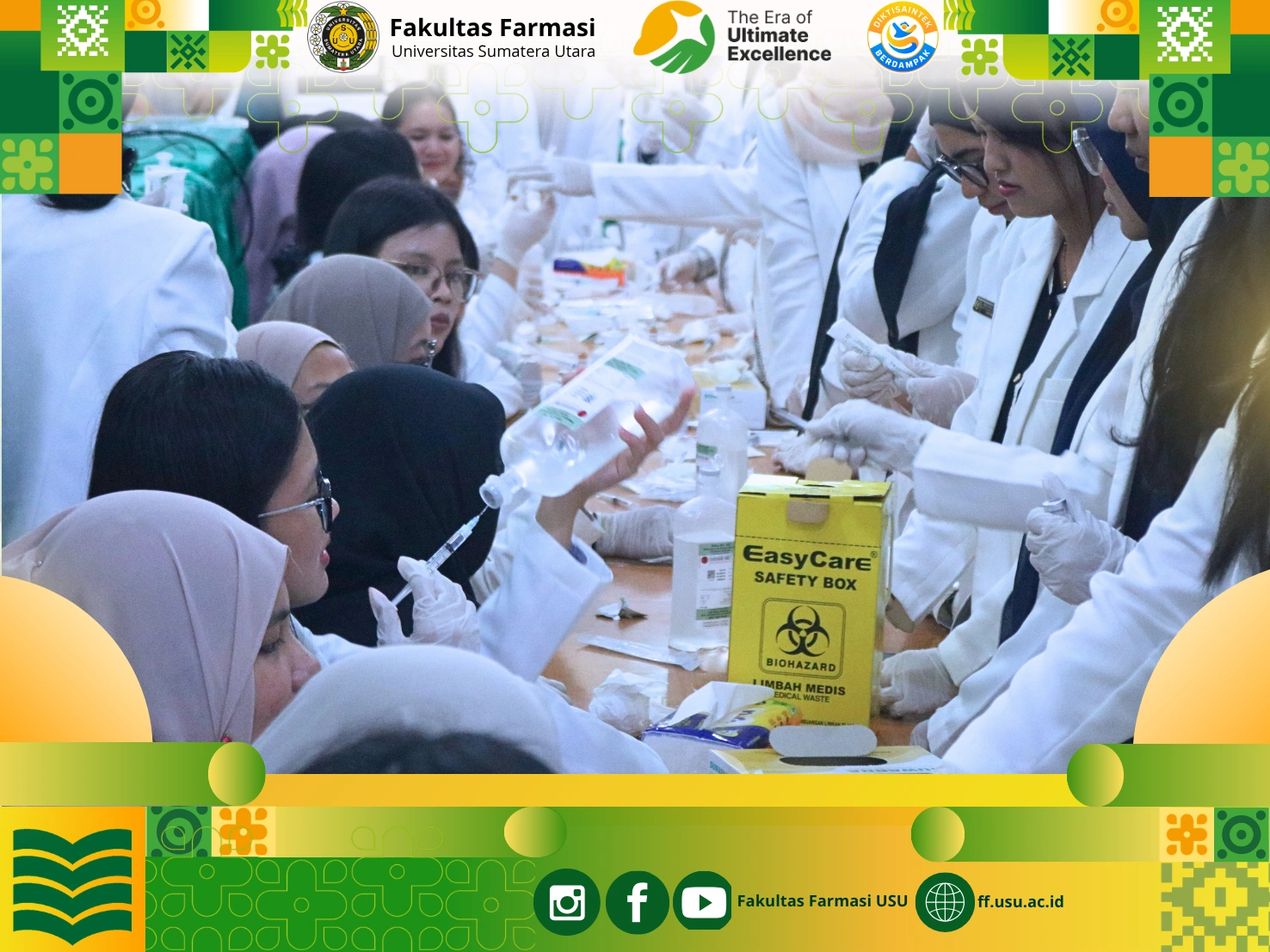
The workshop was closely aligned with the Sustainable Development Goals (SDGs), particularly:
SDG 3 – Good Health and Well-being.
Strengthening prospective pharmacists’ competencies in high-alert medication management, medication-error prevention, cytostatic drug handling, and the application of aseptic techniques directly supports improvements in the quality and safety of healthcare services.
SDG 4 – Quality Education.
The workshop served as a learning and competency-development platform for Pharmacist Professional Education students through practical materials, pharmaceutical service procedures, and clinical case studies. This supports the provision of professional education that is relevant to the needs of healthcare services.
SDG 8 – Decent Work and Economic Growth.
Enhancing the competencies and professionalism of prospective pharmacists contributes to developing competent and productive healthcare human resources who are able to perform their duties safely and in accordance with professional standards.
SDG 12 – Responsible Consumption and Production.
The proper management of high-risk medications, control of unused medications, and appropriate handling and management of cytotoxic waste support responsible practices in the use of pharmaceutical resources.
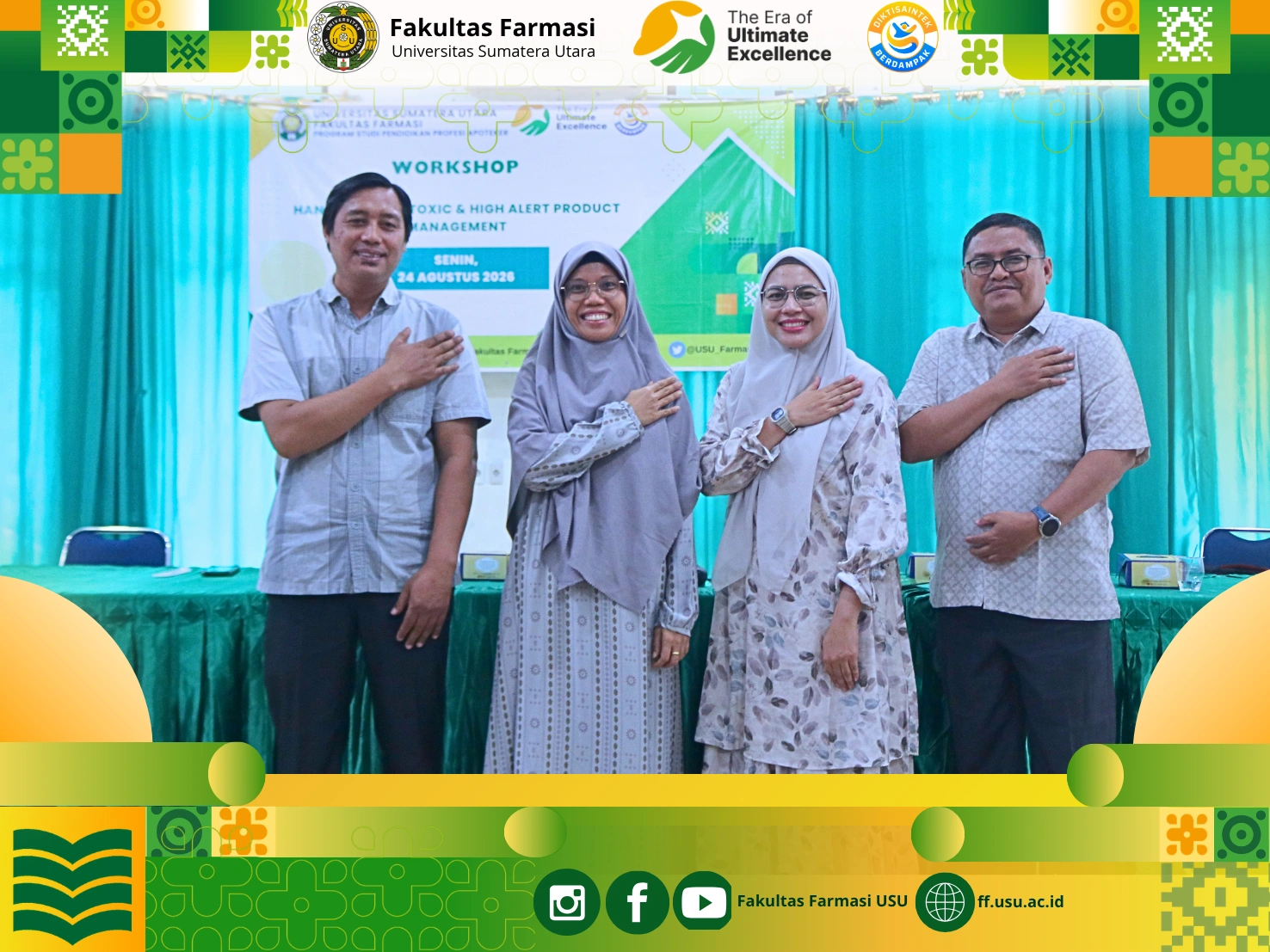
Through the implementation of this workshop, the Pharmacist Professional Education Study Program, Faculty of Pharmacy, USU continues to demonstrate its commitment to producing graduates who possess not only academic and professional competencies but also a strong awareness of patient safety, the quality of pharmaceutical services, occupational safety, and sustainable health development.