


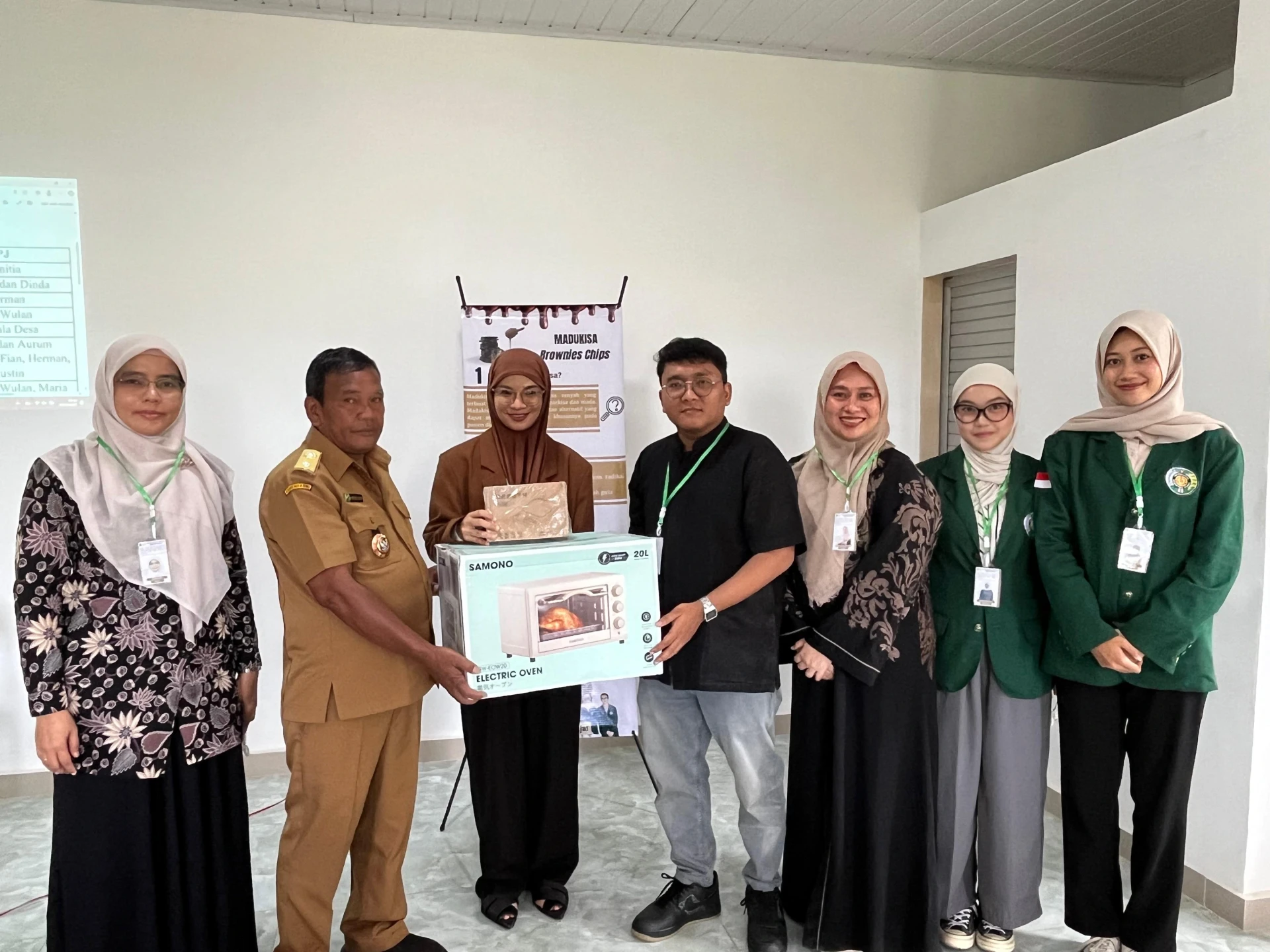
USU PHARMACY PUBLIC RELATIONS – The Faculty of Pharmacy, Universitas Sumatera Utara (USU), once again carried out a community service program, this time in Tanah Karo Regency, with the theme “Diabetes Mellitus Education, Food Sequencing as a Non-Pharmacological Therapy, and the Utilization of Passion Fruit Peel as a Healthy Snack for Diabetes Patients.”
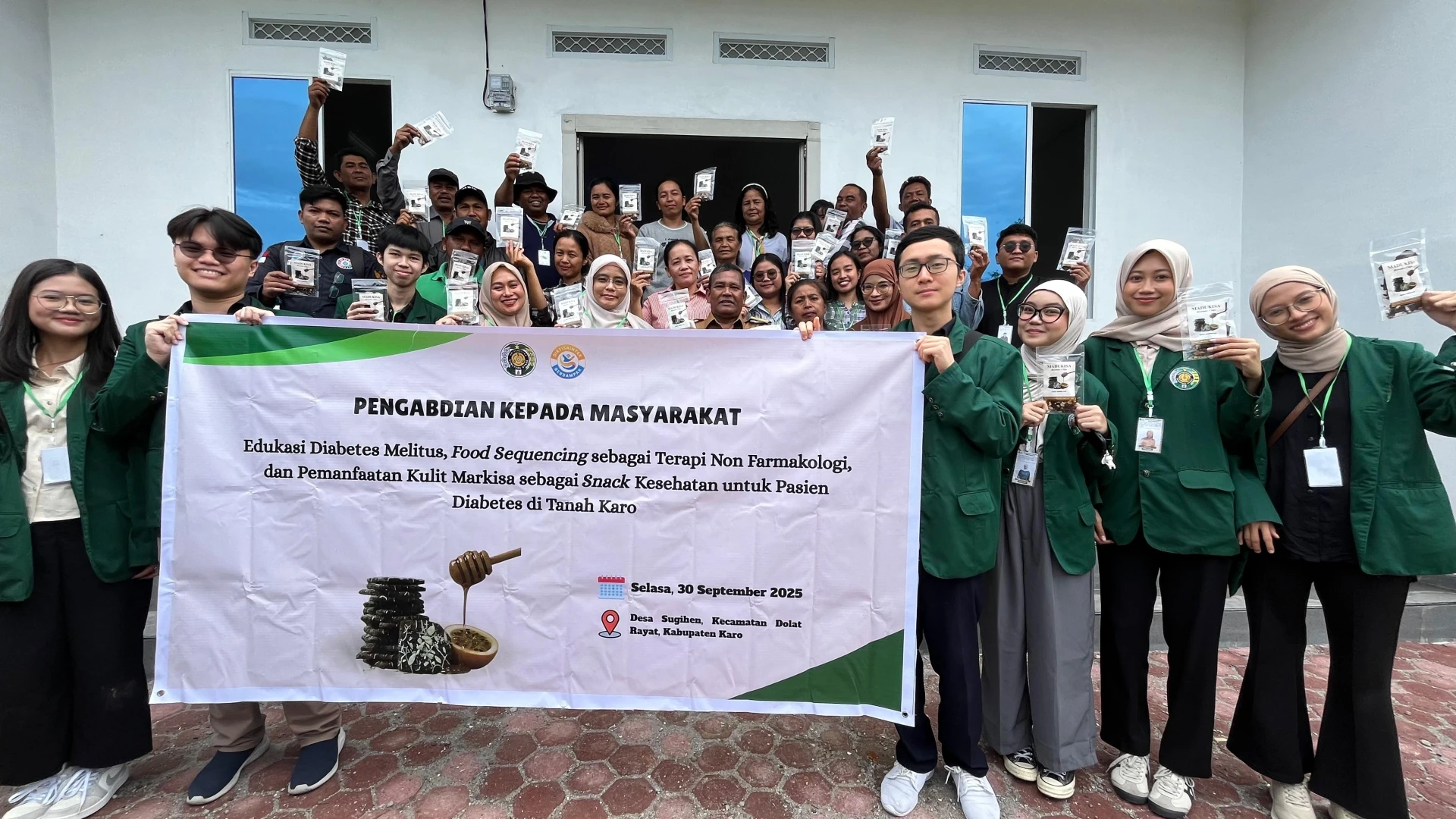
The activity was held on September 30, 2025, as part of the Faculty of Pharmacy’s commitment to implementing the Tri Dharma of Higher Education, particularly in community service, targeting diabetes mellitus patients and the surrounding community who are vulnerable to metabolic diseases.
.webp)
Diabetes mellitus is one of the most common non-communicable diseases in Indonesia, including in North Sumatra. Unhealthy eating habits, irregular lifestyles, and low public awareness are among the main factors contributing to the increasing number of cases. Therefore, this activity was organized to provide comprehensive education on diabetes mellitus management through both pharmacological and non-pharmacological approaches.
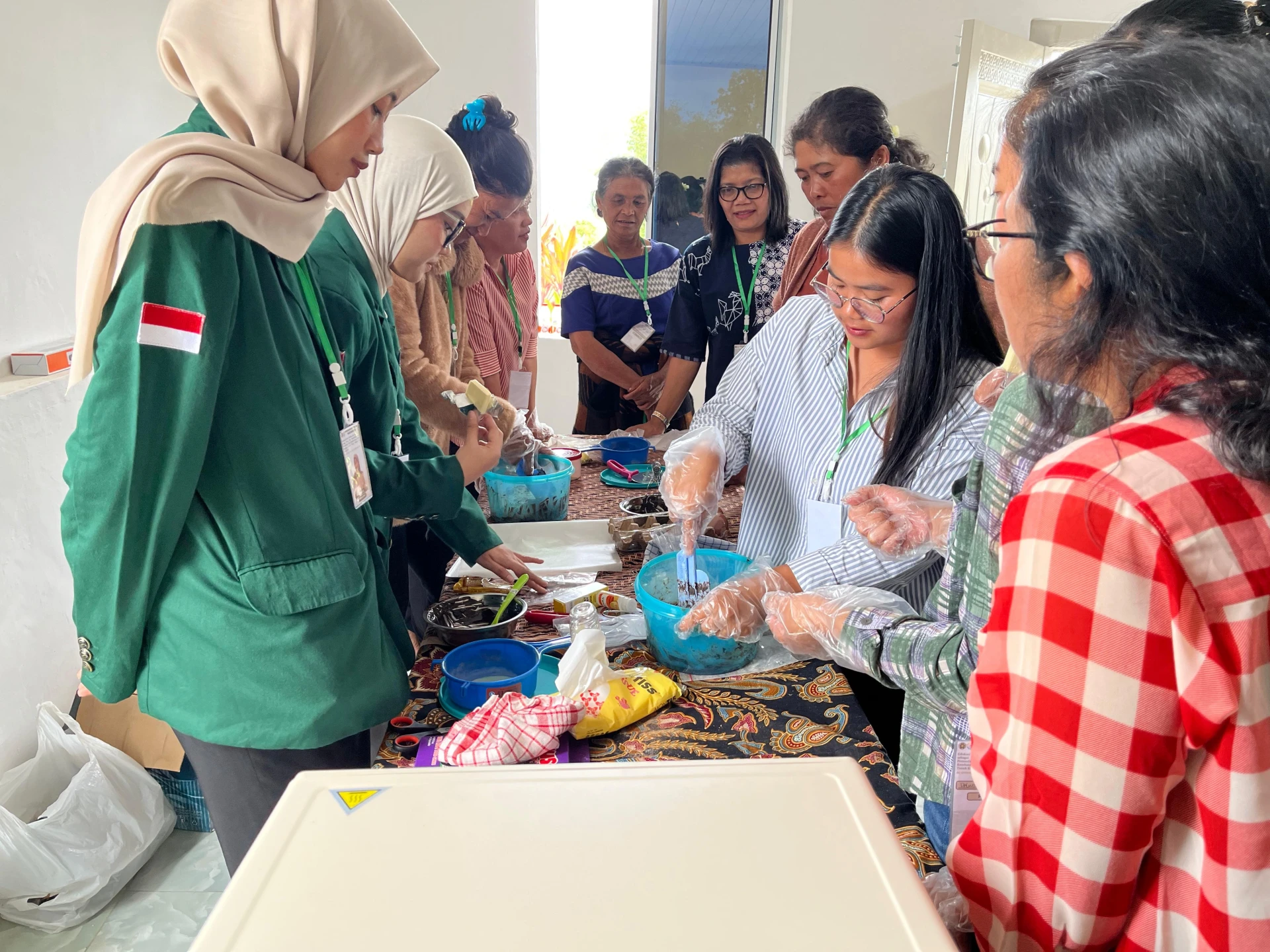
In addition, the team introduced the concept of food sequencing, or the order of food consumption, as a non-pharmacological therapy proven to help lower blood sugar levels. Participants were also provided with hands-on training in food innovation by utilizing passion fruit peel waste to create healthy snacks suitable for diabetes patients.
.webp)
The event took place on September 30, 2025, in Tanah Karo Regency, attended by lecturers, students, the local community, and diabetes patients. The activity began with participant registration, followed by an opening ceremony led by the MC and a prayer for the event’s success.
.webp)
Next, the head of the organizing committee delivered welcoming remarks emphasizing the importance of collaboration between academics and the community in managing non-communicable diseases. The village head also gave a speech, expressing appreciation for the initiative as it aligns with the needs of the local community. The session continued with group photos between the community service team and participants.
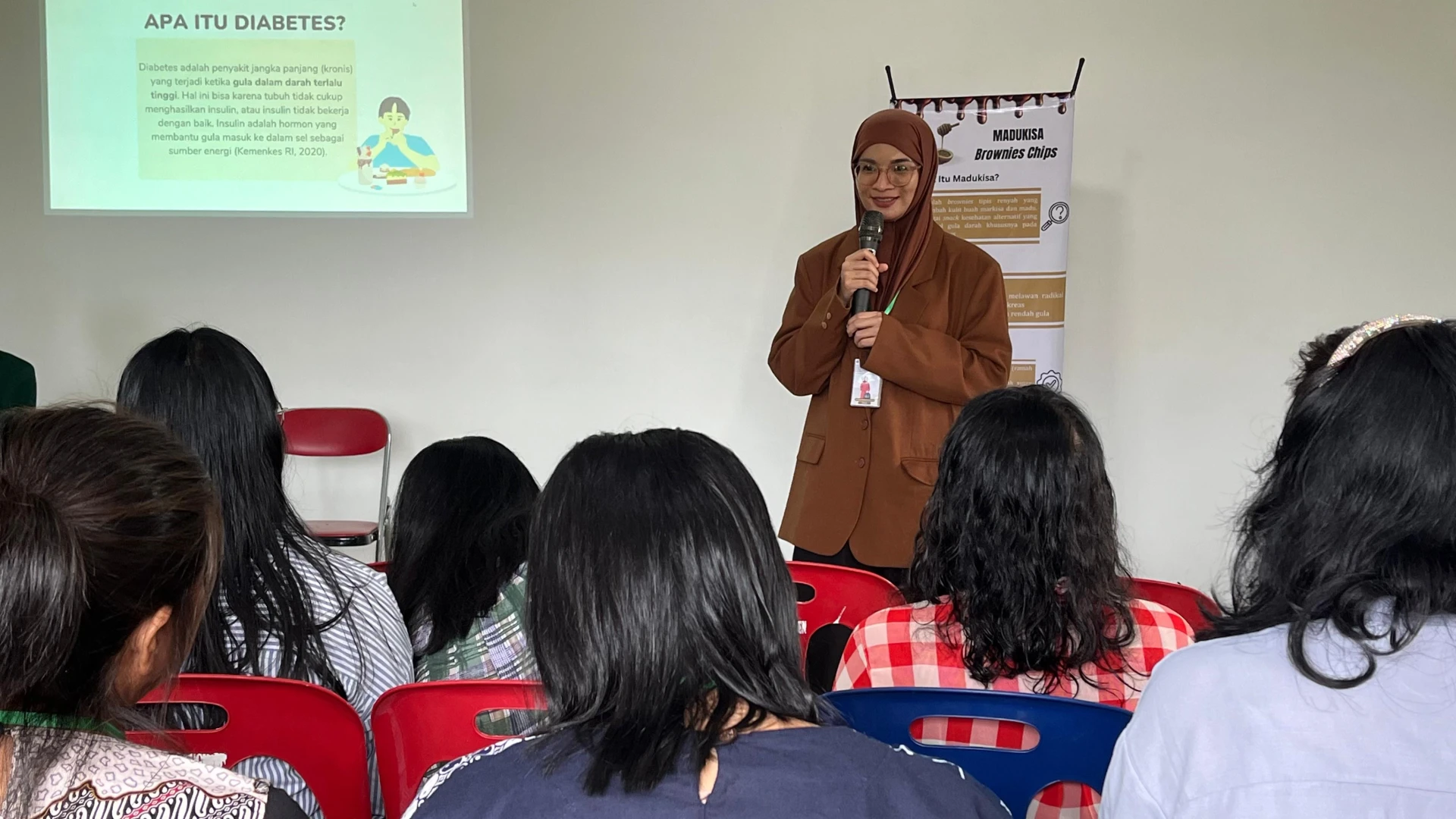
During the main session, the team presented educational material about diabetes mellitus, the concept of food sequencing, and the importance of dietary management. Participants had the opportunity to engage in a Q&A session to deepen their understanding. As a form of appreciation, the committee awarded prizes to three of the most active participants during the discussion.
.webp)
Beyond the theoretical session, participants also took part in a hands-on workshop on creating healthy snacks from passion fruit peel, guided by lecturers and students. Passion fruit peel, which is often discarded as waste, was processed into a nutritious, high-fiber snack suitable for diabetes patients. The event concluded with a closing statement by the MC.
.webp)
Through this community service program, the USU Faculty of Pharmacy hopes to raise awareness that diabetes management is not solely dependent on medication but also requires lifestyle changes, healthy eating habits, and the use of local resources to support health. Education on food sequencing and healthy snack innovations made from passion fruit peel is expected to serve as an initial step in building sustainable healthy living awareness.
This community service activity also aligns with several Sustainable Development Goals (SDGs), including:
SDG 3 (Good Health and Well-being): Reducing the risk of non-communicable diseases through health education and non-pharmacological therapy alternatives.
SDG 4 (Quality Education): Providing practical, experience-based education that can be directly implemented by the community.
SDG 12 (Responsible Consumption and Production): Reducing organic waste by utilizing passion fruit peel into value-added products.
SDG 17 (Partnerships for the Goals): Fostering collaboration among academics, students, health workers, local governments, and communities.
.webp)
With the successful implementation of this program, the Faculty of Pharmacy, Universitas Sumatera Utara, reaffirms its commitment to improving community quality of life through science and innovation. It is hoped that the people of Tanah Karo can continue developing the knowledge gained and integrate it into their sustainable healthy lifestyle.