


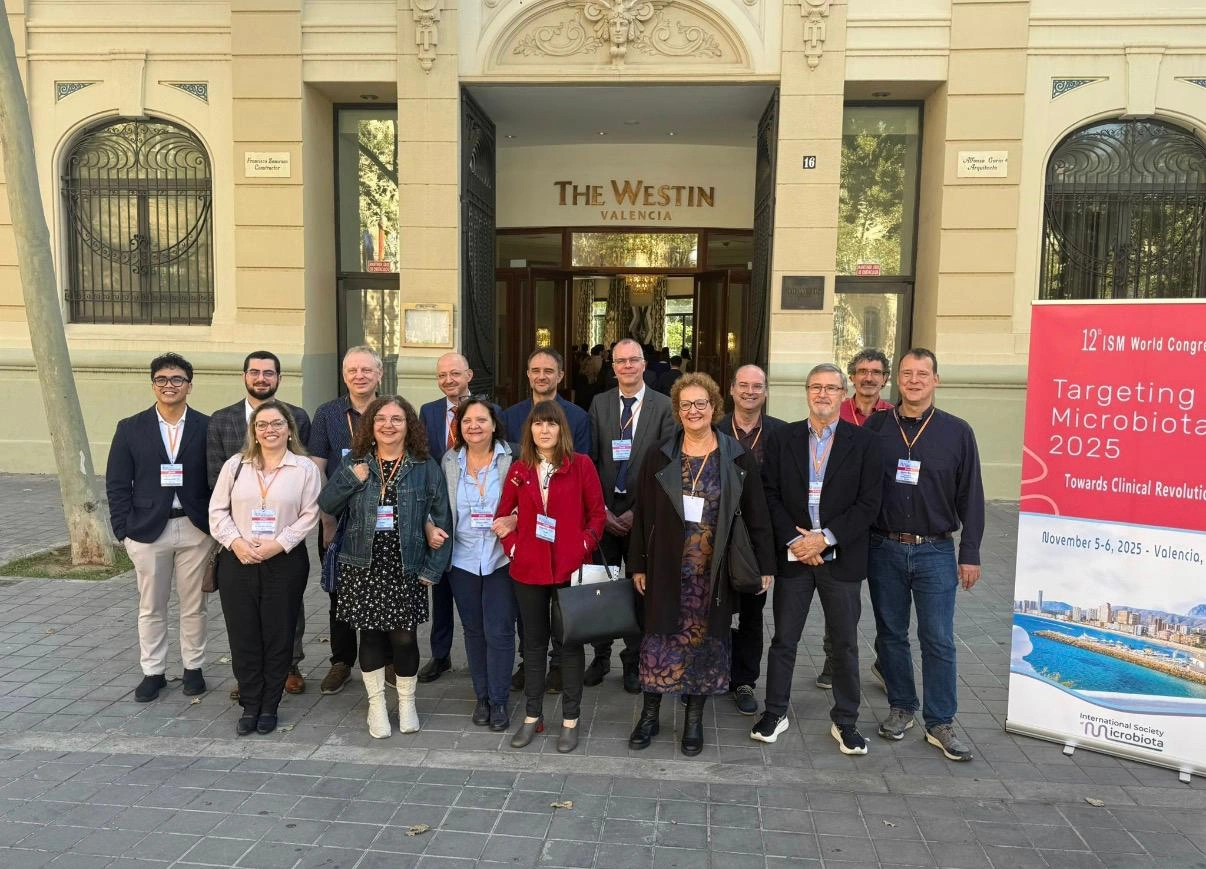
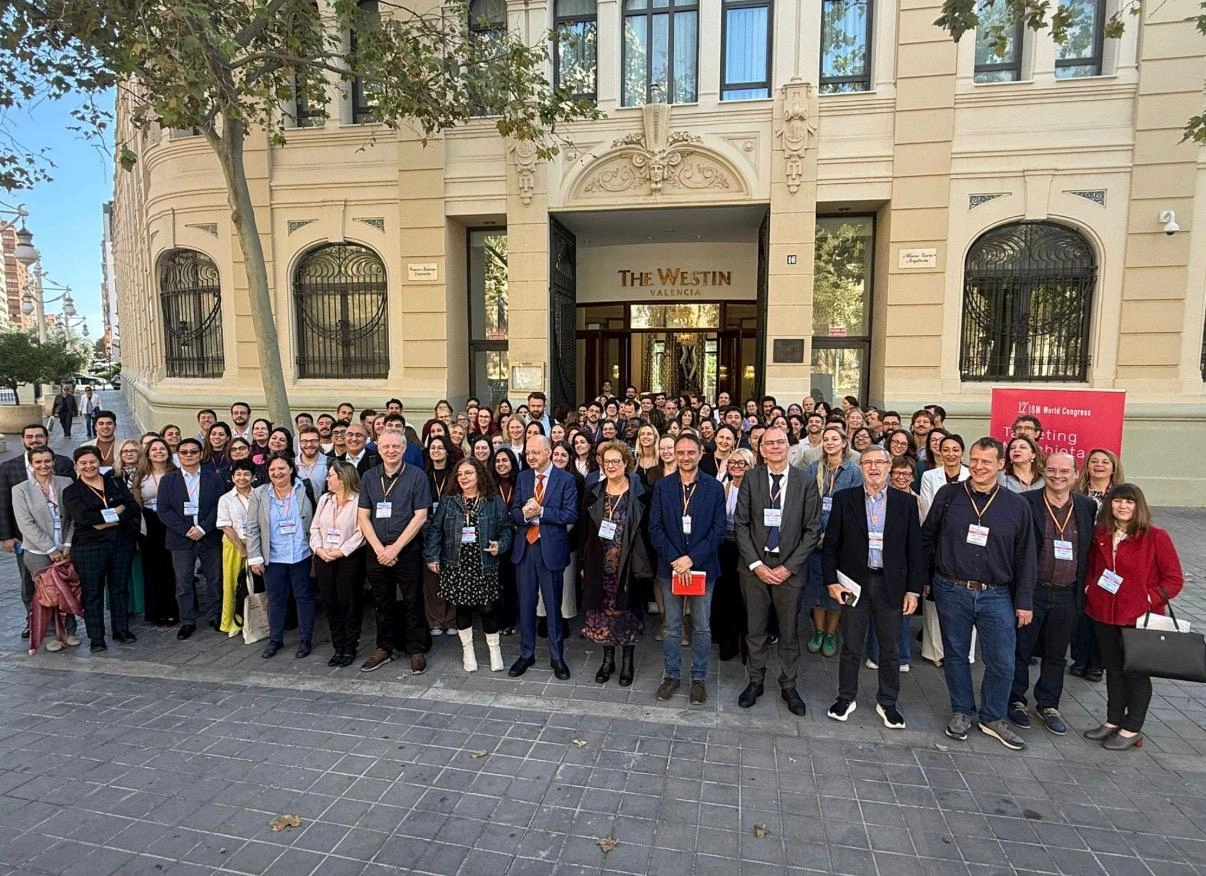
USU FACULTY OF PHARMACY PR — As part of efforts to strengthen the presence of Indonesian academics in the global scientific arena, Dr. Rony Abdi Syahputra from the Faculty of Pharmacy, Universitas Sumatera Utara (USU), appeared as a speaker at the 12th ISM World Congress – Targeting Microbiota 2025, organized by the International Society of Microbiota (ISM) on November 5–6, 2025, in Valencia, Spain.
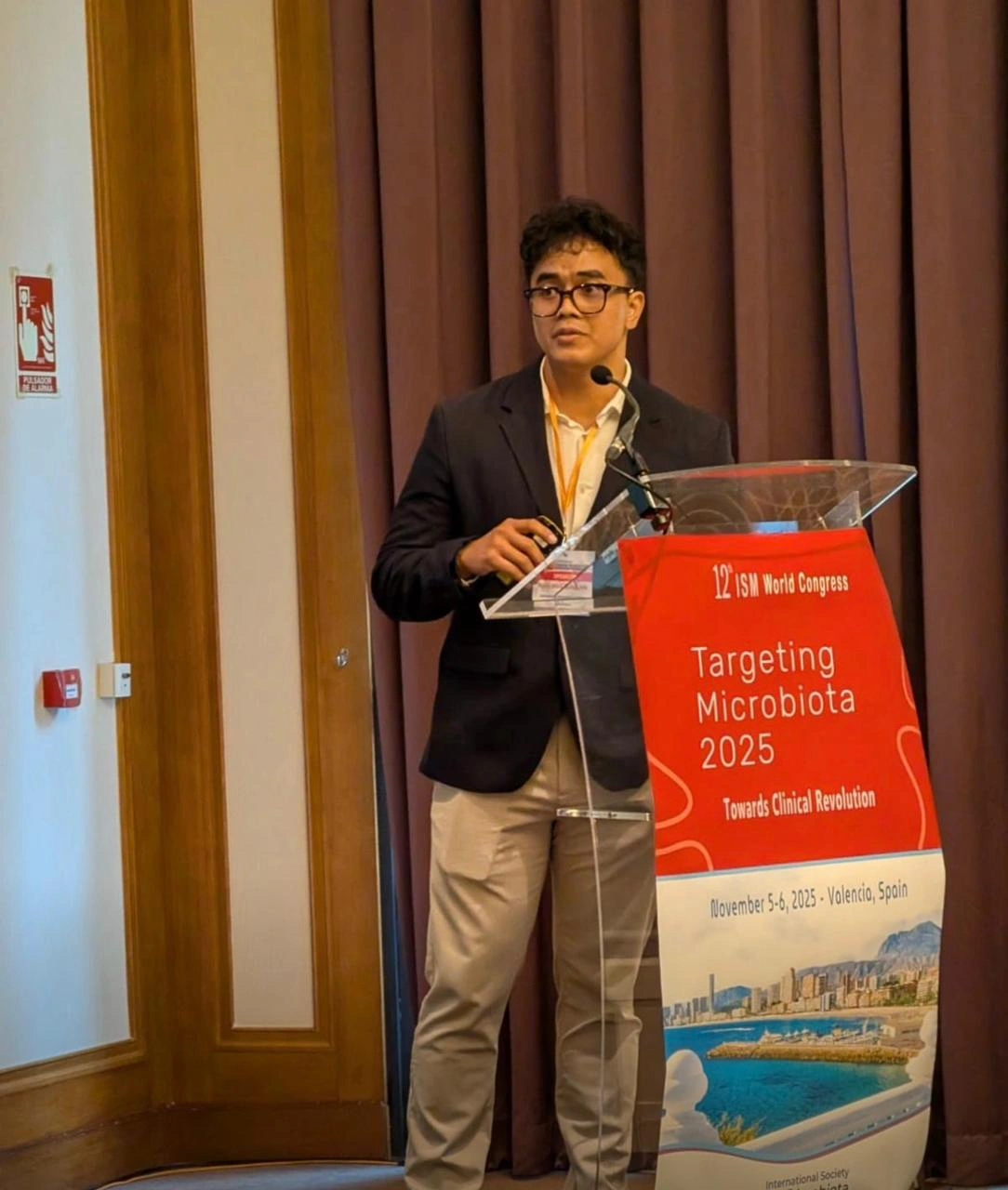
In this prestigious international scientific forum attended by microbiome researchers from various countries, Dr. Rony Abdi presented a topic entitled “Can Salivary and Skin Microbiome Become a Biodetector for Aging-Associated Diseases? Current Insights and Future Perspectives.” In his presentation, he explained in depth how the skin and salivary microbiome can function as potential biodetectors for diseases associated with the aging process.
According to Dr. Rony, the balance of the microbiome living on human skin and in the oral cavity plays a major role in maintaining body homeostasis. When this balance is disrupted, the risk of cellular aging increases due to oxidative stress and chronic systemic inflammation. Through his research, he highlighted the close relationship between microbiome diversity and human physiological conditions, particularly the aging process involving complex biological changes.
The research presented demonstrates that by utilizing salivary and skin microbiome profiles, scientists can develop non-invasive diagnostic approaches to detect degenerative diseases that frequently accompany aging, such as Alzheimer’s disease, type 2 diabetes, and other chronic inflammatory disorders. This approach also opens new opportunities in developing personalized microbiome-based therapies, which not only support early diagnosis but also potentially delay or slow biological aging.
Dr. Rony Abdi’s participation in this international congress underscores USU’s commitment to contributing to global scientific advancement, particularly in the field of health biotechnology. This activity also strengthens collaborative networks between Indonesian academics and research institutions and universities worldwide, aligning with SDG 17 (Partnerships for the Goals), which emphasizes the importance of global cooperation to achieve sustainable development objectives.
Furthermore, Dr. Rony’s research strongly aligns with SDG 3 (Good Health and Well-Being), as it focuses on improving human health through early detection and prevention of aging-related diseases. The innovative aspect of employing the microbiome as a biodetector also reflects SDG 9 (Industry, Innovation, and Infrastructure) by encouraging biomedical diagnostic innovation.
The Targeting Microbiota 2025 event is an annual forum organized by the International Society of Microbiota to bring together scientists, clinicians, and industry representatives focusing on microbiome research and its applications in modern medicine. In this congress, participants discussed topics ranging from gut, skin, and oral microbiomes to their implications for human health and modern therapeutic practices.
Through his participation, Dr. Rony Abdi Syahputra not only represented Universitas Sumatera Utara and Indonesia on the international stage but also demonstrated how university-based research can contribute meaningfully to the advancement of global medical and health sciences. With an approach rooted in collaboration, innovation, and sustainability, this step marks an important contribution toward building a global society that is healthier and more resilient to the aging process.