


USU PHARMACY PR — The Faculty of Pharmacy, Universitas Sumatera Utara, once again conducted the 2025 Internal Stakeholder Satisfaction Monitoring and Evaluation (Monev) as a strategic agenda to ensure that institutional service quality remains at the highest standards. This activity was designed to measure the satisfaction levels of lecturers, administrative staff, and students as key stakeholders directly involved in the implementation of higher education within the Faculty of Pharmacy USU.
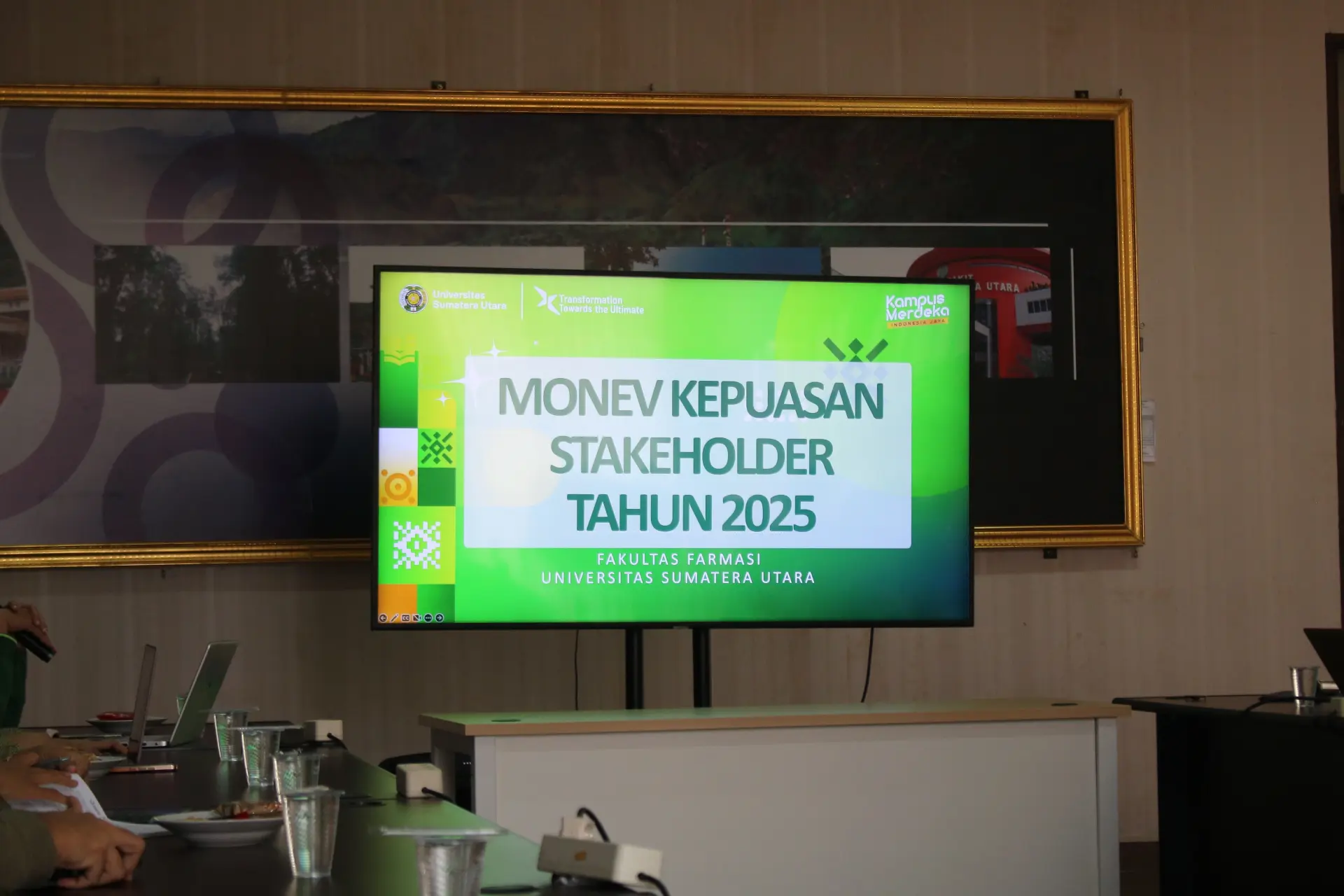
The monitoring and evaluation were carried out at the USU Faculty of Pharmacy through a systematic mechanism, beginning with the completion of assessment instruments, followed by quantitative and qualitative data evaluation, and internal discussion sessions to formulate follow-up recommendations. As part of continuous quality improvement, this activity aimed to gather perceptions, experiences, and needs of lecturers, administrative staff, and students regarding academic services, administrative services, and supporting facilities provided by the faculty.
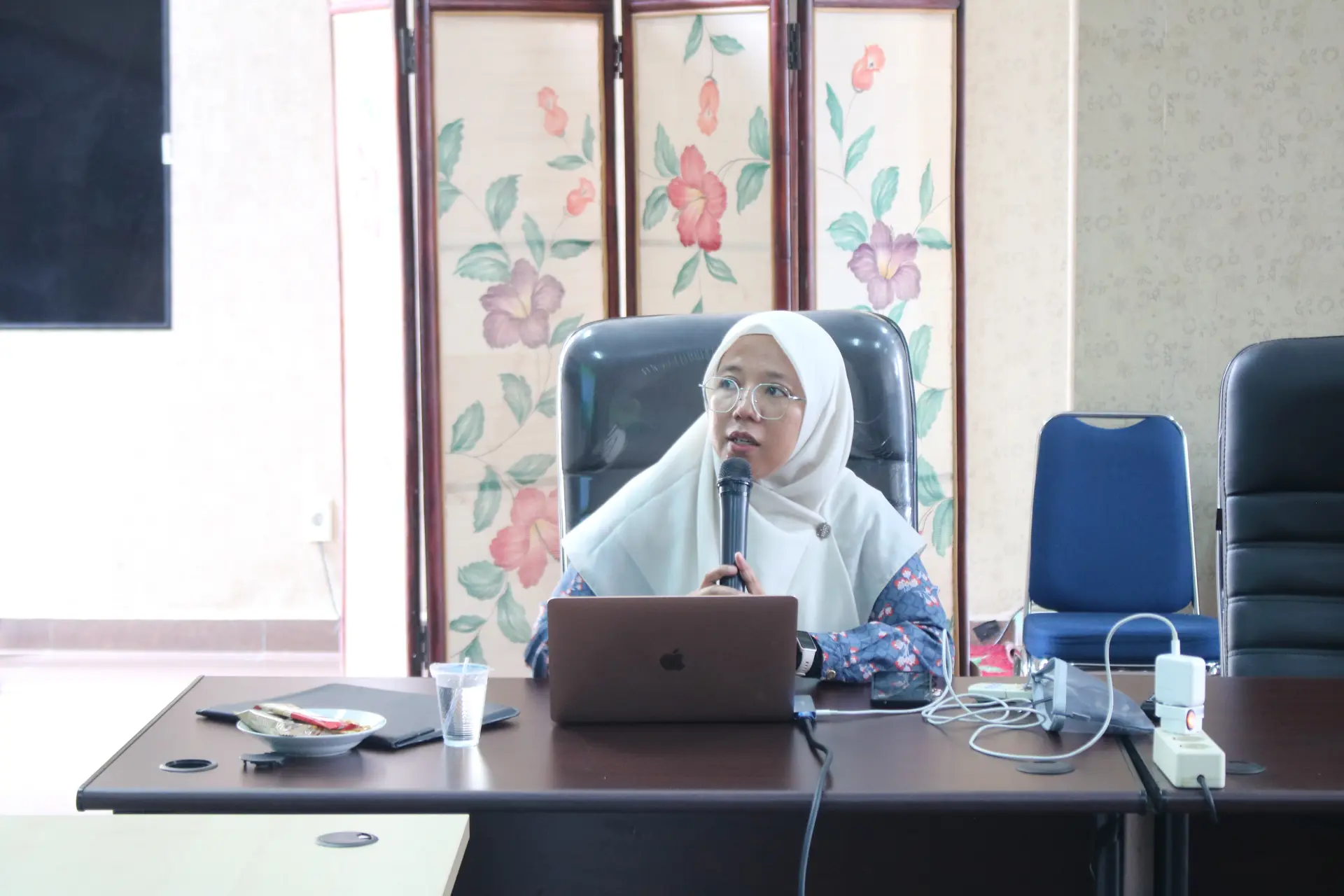
During the implementation process, lecturers provided assessments of various aspects, including the effectiveness of academic support, availability of learning facilities, smoothness of academic coordination, and administrative support in carrying out the tridharma of higher education. Administrative staff evaluated workflow quality, adequacy of supporting facilities, internal service systems, as well as the effectiveness of supervision and inter-unit communication.
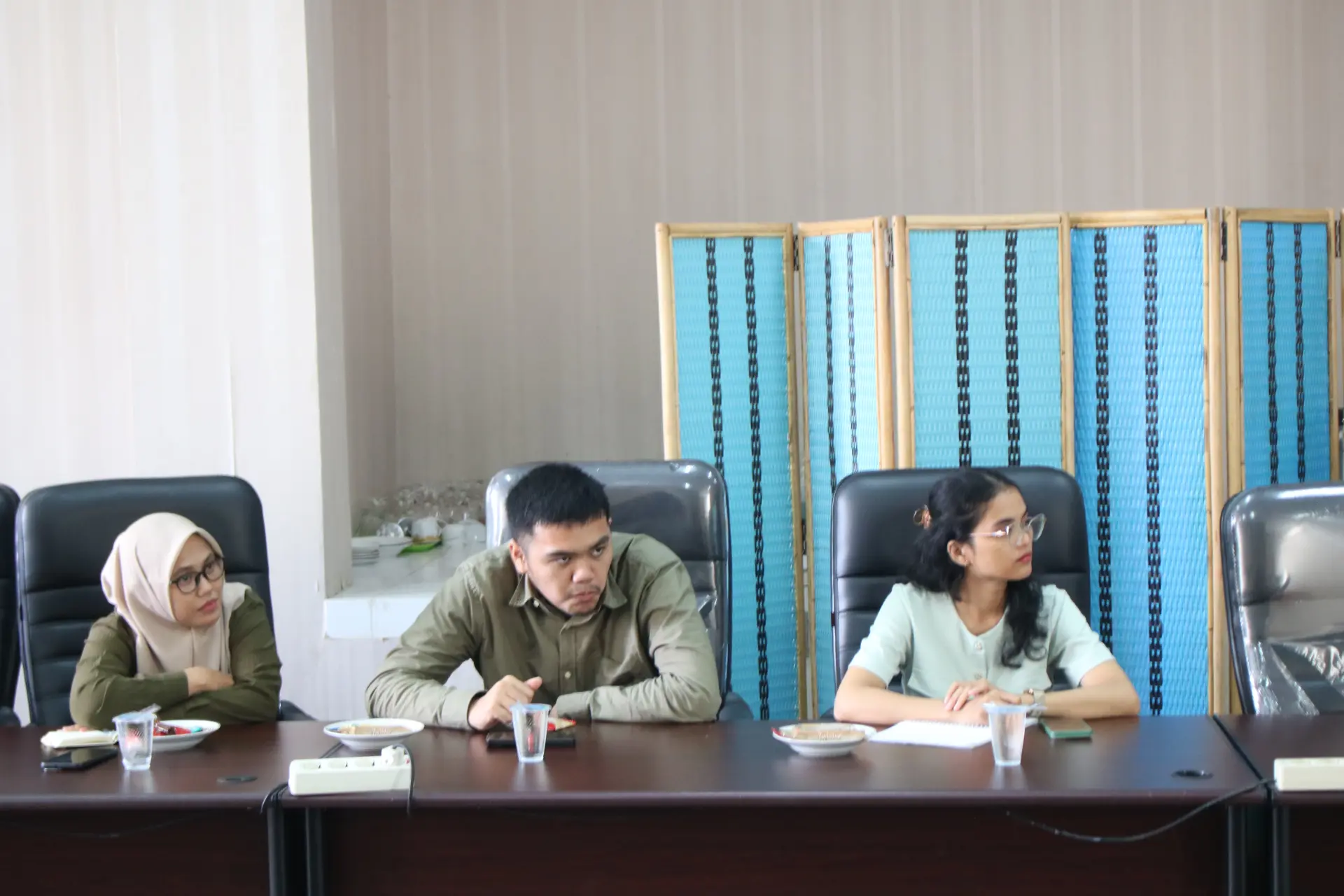
Meanwhile, students as the primary users of educational services assessed the quality of academic services, clarity of academic information, availability of learning and laboratory facilities, student administrative services, and an academic atmosphere that supports learning and self-development. Input from students became a crucial element in the evaluation as it directly reflects the quality of educational services received.
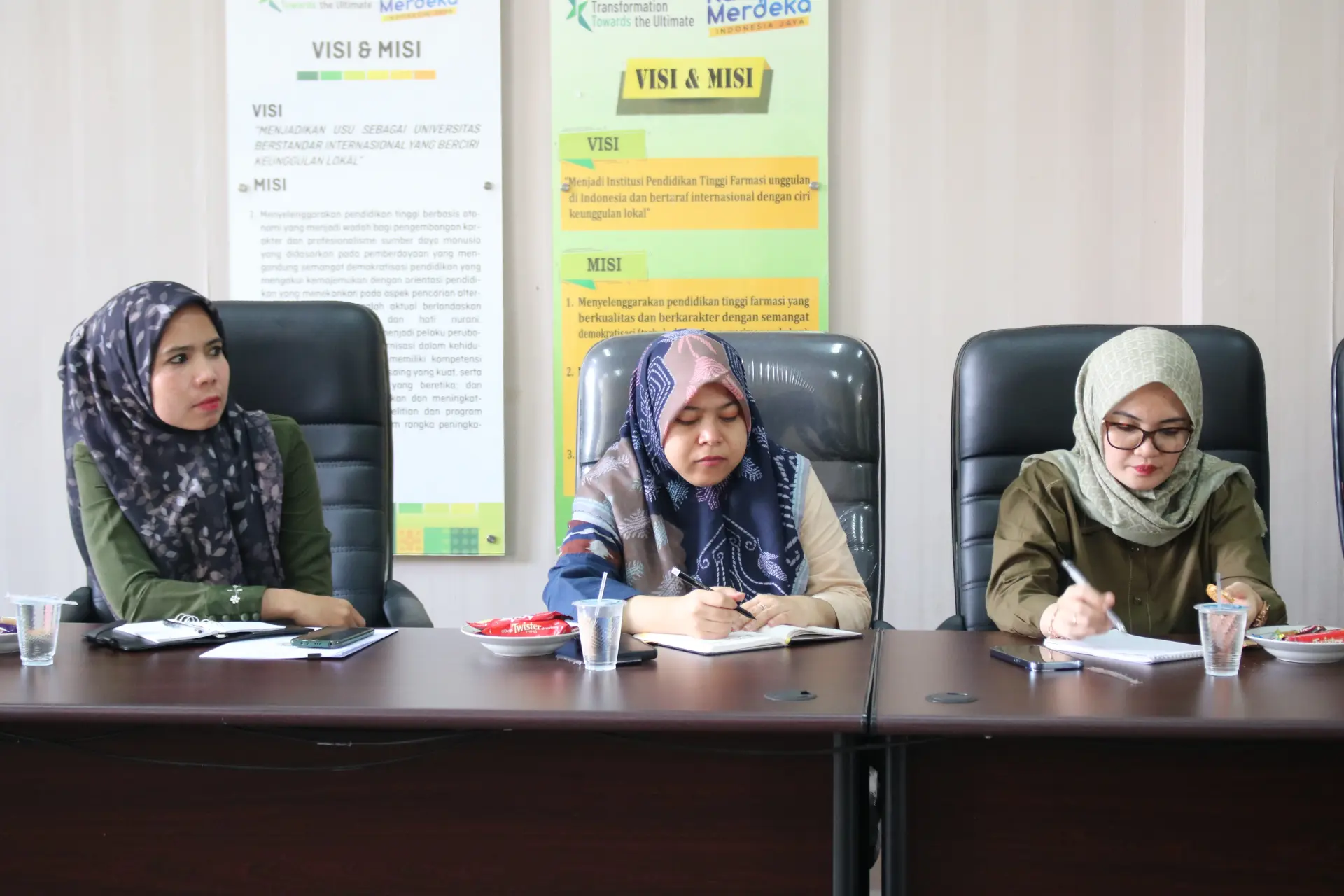
Preliminary evaluation results indicated the need to strengthen cross-unit coordination, improve the responsiveness of academic and administrative services, and refine service systems to be more efficient, transparent, and user-friendly. The USU Faculty of Pharmacy views these findings as opportunities for continuous improvement in order to enhance satisfaction among all internal stakeholders.
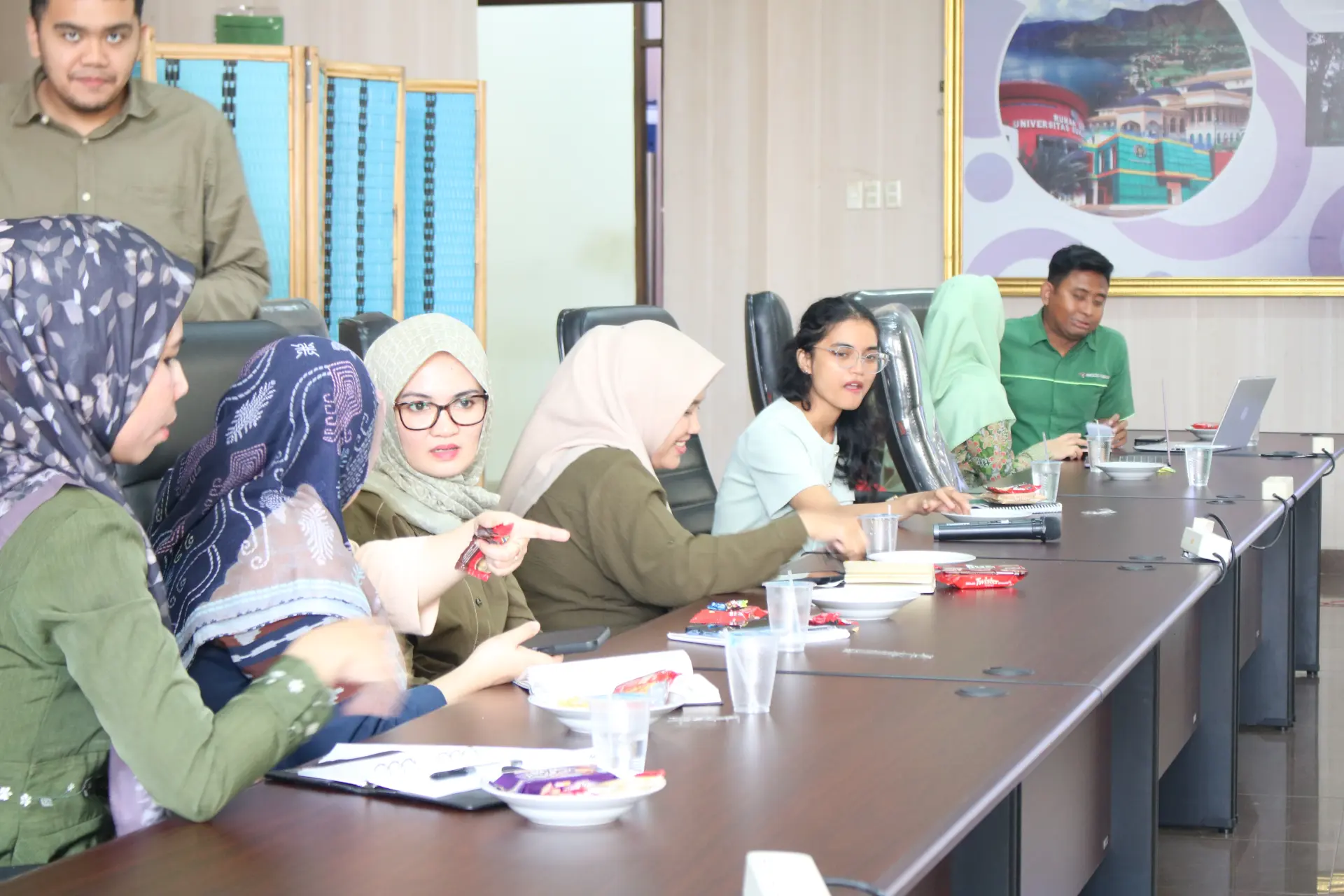
Through the implementation of the 2025 Internal Stakeholder Satisfaction Monitoring & Evaluation, the Faculty of Pharmacy USU expects to create an academic and working environment that is increasingly professional, inclusive, and conducive. This activity serves as evidence of the faculty’s commitment to building a quality culture based on evaluation and continuous improvement to support the achievement of institutional goals.
Contribution to the Sustainable Development Goals (SDGs):
SDG 4 (Quality Education): Encouraging the improvement of academic and student services as a fundamental foundation for the delivery of high-quality higher education.
SDG 8 (Decent Work and Economic Growth): Fostering a healthy, productive learning and working environment that supports the well-being of the academic community.
SDG 9 (Industry, Innovation, and Infrastructure): Strengthening academic and administrative service systems and infrastructure through measurable evaluation.
SDG 16 (Peace, Justice, and Strong Institutions): Developing transparent, accountable institutional governance oriented toward continuous service quality improvement.